
The wearable technology sector is valued at around $103.1 billion in 2026. This number is expected to increase to $229.9 billion by 2033, marking a CAGR of 12.1%. But the big question is: which inventions are driving the wearable technology sector? In this article, we’ll discuss what wearable technology is and the inventions behind it.
What is Wearable Technology?
As the name hints, wearable technology refers to electronic devices worn on the body. A typical wearable device uses sensors, processors, and internet connectivity to collect personal data and process it into digestible information. Some wearable devices also incorporate modern technologies like Bluetooth, touchscreens, and voice commands to make them more interactive.
Popular Wearable Devices for the Future
Let’s now discuss the most popular wearable devices and how each device works.
Smartwatches
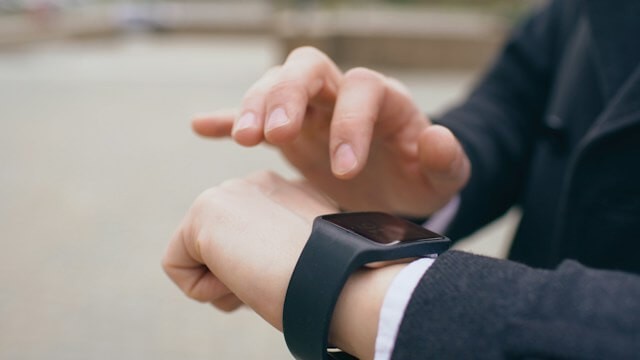
Smartwatches are not niche gadgets anymore. These devices are used by more than 450 million people worldwide. Smartwatches are worn around the wrist to track dozens of metrics and provide comprehensive health monitoring. Modern fitness wearables, such as Apple Watch, Garmin, and Fitbit, can offer features such as:
- Blood oxygen level monitoring (SpO2).
- Accurate distance measurement with GPS tracking.
- Detailed sleep analysis.
- Track steps, calories, and heart rate.
- Make payments using apps like Apple Pay and Samsung Pay.
Smartwatches can also complement your fashion style, similar to or even better than traditional wristwatches. For instance, you can maximize third-party Apple Watch bands to match different styles. Leather and stainless-steel bands complement formal attire, whereas apple watch nylon bands are ideal for workouts and casual vibes.
Augmented Reality (AR) Glasses
Smart glasses are also presenting themselves as the future of wearable tech by merging the physical world with digital data. These glasses often resemble traditional eyewear, although they include a transparent screen to display data. Some smart glasses also feature speakers to relay audio and hidden cameras.
Meanwhile, the AR technology can take your experience with smart glasses to the next level. These glasses come with high-res screens that maintain the visibility of the physical surroundings. They enhance what you can already see with digital content. Wearers can see interactive 3D content while interacting with their surroundings. Below are some use cases for AR glasses:
- Watching movies on a large virtual screen.
- Navigating unfamiliar places with location data.
- Translating languages in real time.
- Learning through hands-on instructions and guidance.
- Interact with gaming characters and objects.
Smart Rings
Smart rings are one of the most interesting wearable technology trends. These small devices often look and feel like traditional rings. However, they contain sensors that monitor important wellness metrics. They can do what smartwatches can do without feeling bulky on your hand.
These wearable devices can track metrics like your heart rate, SpO2, body temperature, and stress levels. Smart rings are also ideal for tracking sleep because they’re not bulky, unlike smartwatches, which can cause distractions. They offer a low-profile method to track your health.
Smart Clothing
Smart clothing provides an exciting fusion of textile and smart technology. These wearables can make your life even more quantifiable by wearing them just as you would with your t-shirt, shoes, or vest. They work similarly to what you see in those sci-fi movies.
So, what do smart clothes actually do? These wearables come with built-in sensors to track body signals and behaviors. They can track your heart rate, breathing, skin temperature, and muscle activity. Some advanced options can also adjust the body temperature depending on the surrounding environment. These inventions are at the center of the smartwear revolution.
Summary
The wearable technology is transforming healthcare and wellness. Inventions such as smartwatches and AR glasses can monitor critical health metrics while making you feel stylish. Expect the wearable smart devices to become even more integrated into our daily lives in the future.

